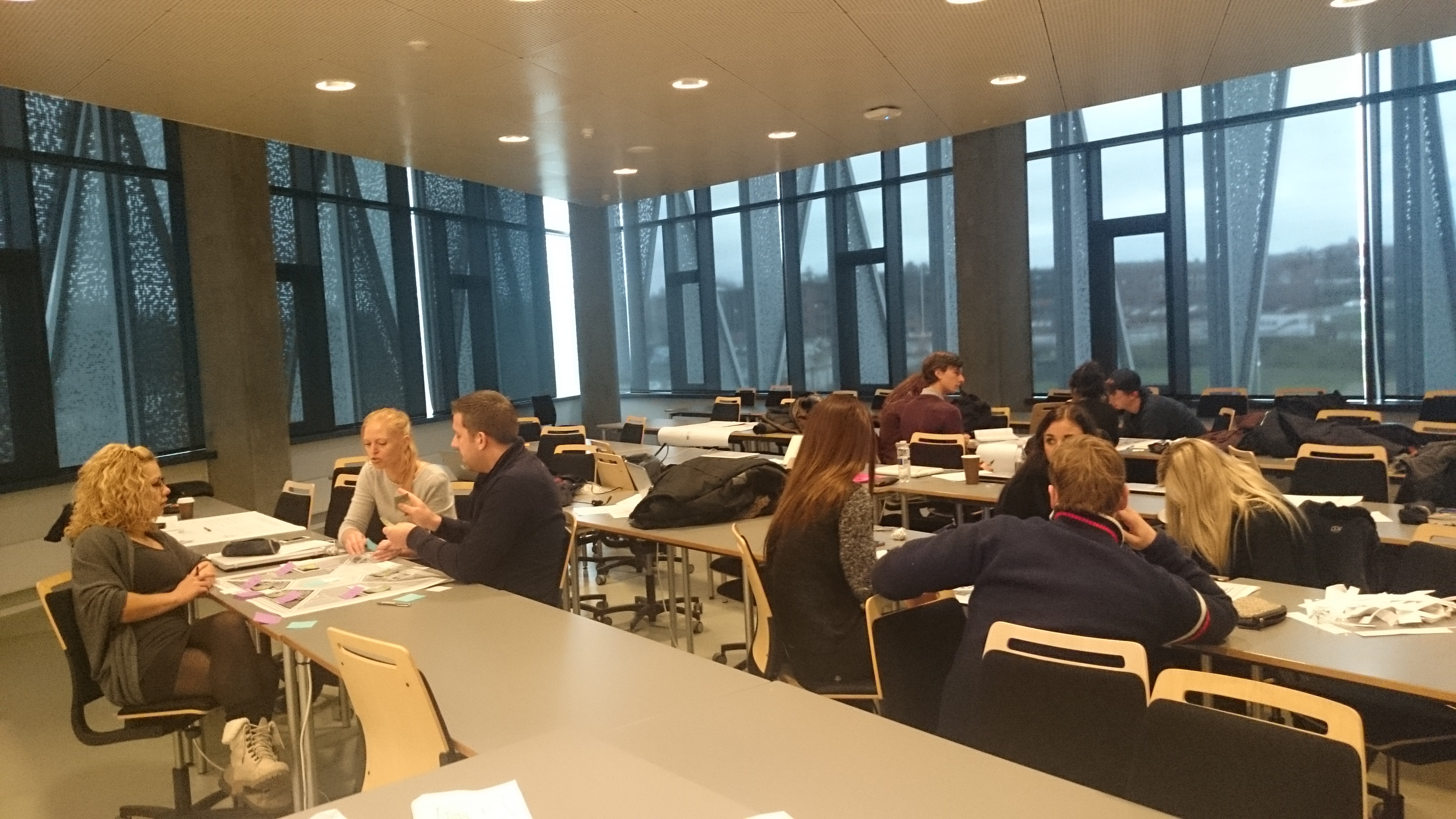
Testing my projects is paramount to my process
One of the most important steps in any design process is to test out your product on a user. I have had a lot of experience testing my projects in all kinds of settings, which has given me a lot of useful input to my projects.
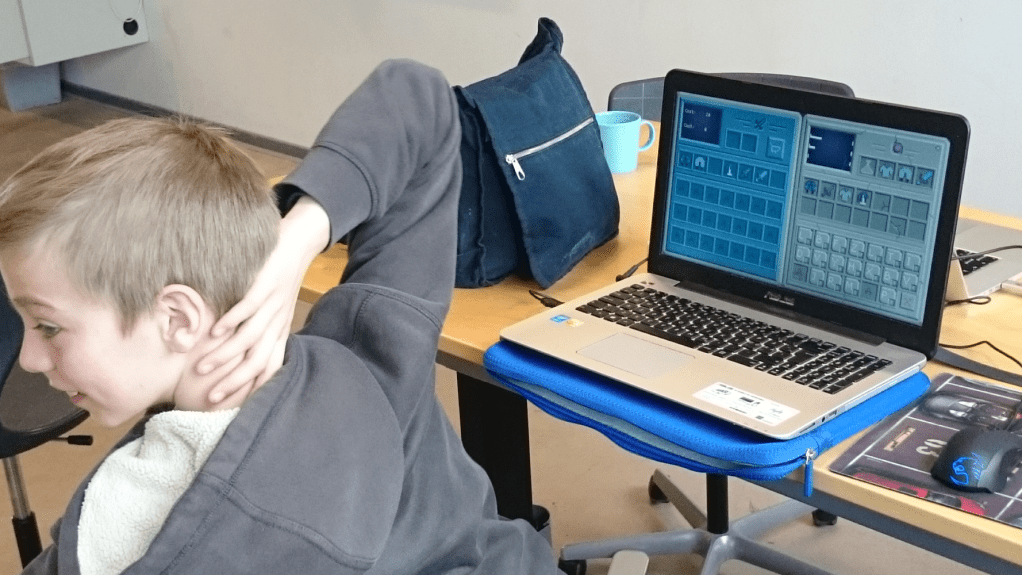
Over the shoulder
One of the most giving types of user research, that I like to do, is over the shoulder testing. This is where you put your product in front of a user, with no instructions and just see how they handle it. This is also a very difficult way to test, because you have to shut your mouth and look at how the user interacts with your product, which can be hard.

Interview
Adding an interview to your process is a very helpful way to increase your understanding of what the needs of the product are. Having taught user research, I have acquired a lot of useful tools to make sure that an interview is conducted in the right way. These are skills that I try and utilize at every chance I get.

Remote testing
An interesting new way to test products is to test them remotely. This can be done in a myriad of ways, but I have had success with recruiting people from my target group from Social media and enticing them to test out my product and then having a discussion with me either via video chat or in message format.
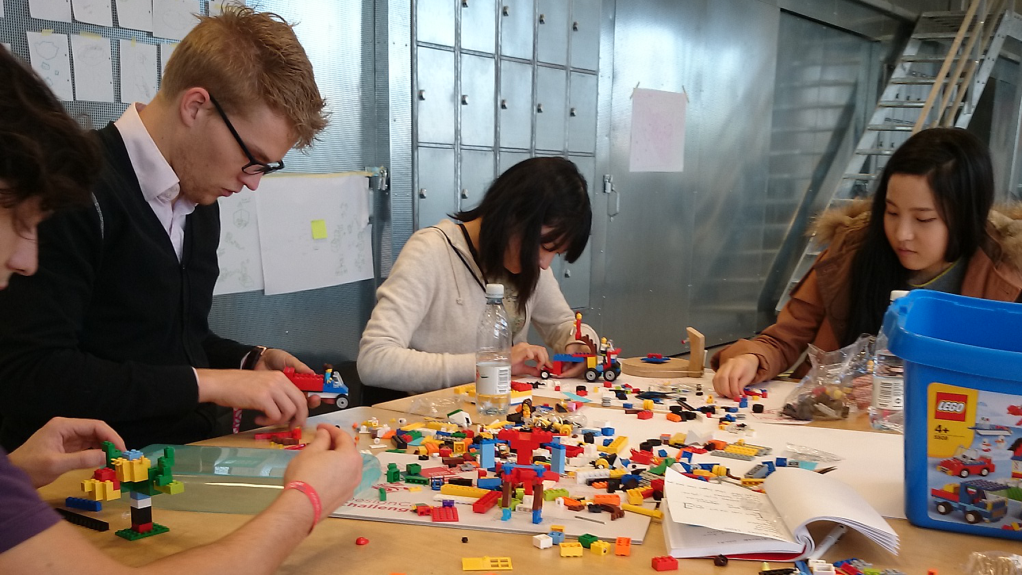
Focus group
One of the things that teaching has afforded me, is the opportunity to test the focus group format. The important thing, I find, is to be able to listen and only steer the conversation, when it wanders off the subject. This does require that you as a researcher put your own preconceptions of products you are making aside.
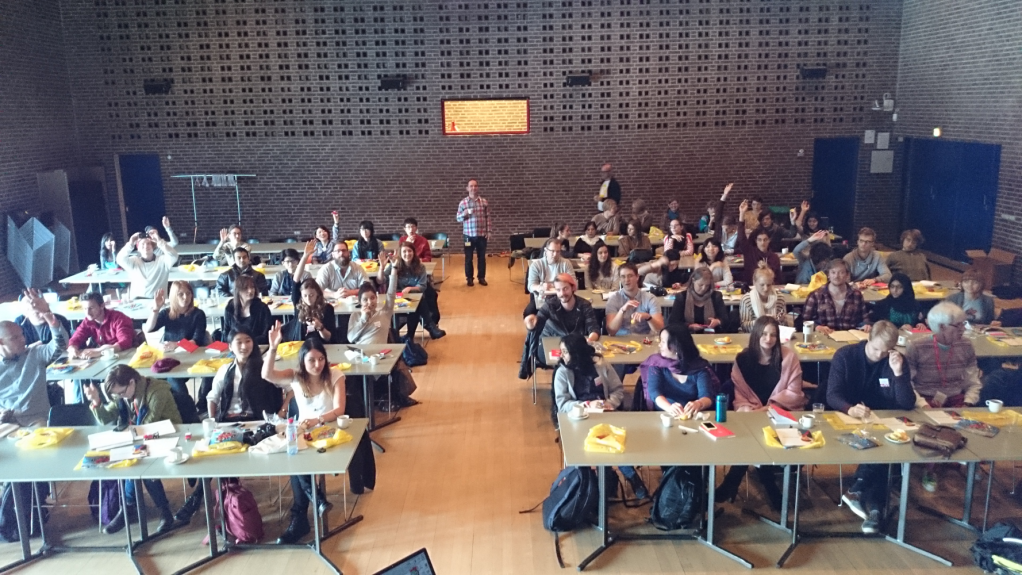
Questionnaire
Questionaries are one of the most frequently misunderstood parts of user research. There is a misunderstanding that what one gets from a questionnaire is objective truth, when in fact a questionnaire is subjective and led by the questions that the user is given. I try to optimize the questions I pose in questionnaires, to fit the findings we are looking for, knowing that a questionnaire can only ever provide part of the answer that we are looking for.
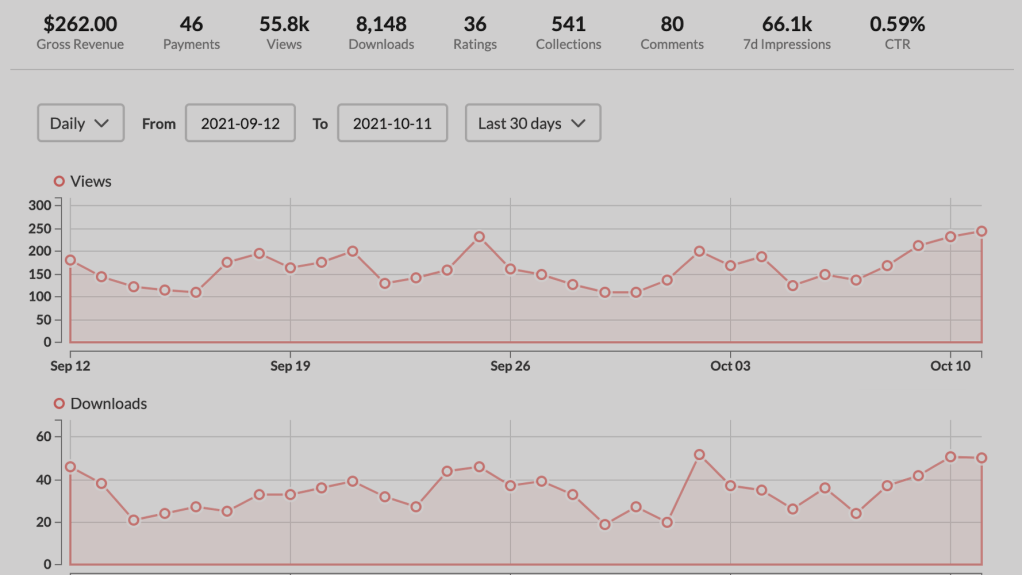
Analytics
Analytics is an interesting tool, which, when used correctly, can be very useful. The important thing, when you look at analytics, is to have a critical eye, as to what you can gleam from the information you are presented with. Being too sure of your findings here can be a problem, thus this is where you often need other cooperating findings to make conclusions.

 Sylvester UX designer